If you’ve been following along with me here on The DIY Journey, you already know that thrift shopping for home decor is basically one of my love languages. I’m Michael, and I’ve been hunting thrift stores, flea markets, estate sales, and Facebook Marketplace for over six or seven years now — all in the name of finding pieces I can transform into something beautiful for my home. What started as a necessity (I had a very tight budget and wanted my apartment to feel like home) turned into one of my absolute favorite hobbies, and I’ve filmed and shared so many of those flips right here with you.
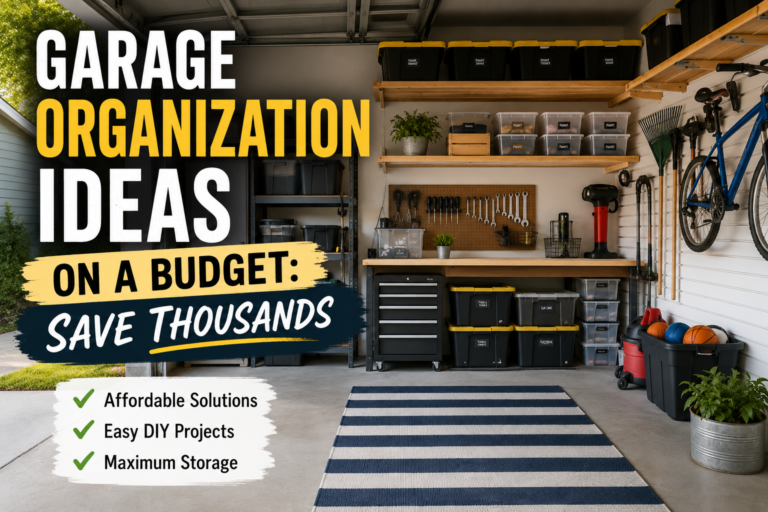
Here’s the thing about a thrift store home decor makeover: it’s not just about saving money, although that’s a huge perk. It’s about finding unique, one-of-a-kind pieces, giving items a second life, and flexing your creative muscles in ways that big-box shopping just doesn’t allow. And it’s more trendy than ever to shop secondhand — so whether budget, sustainability, or uniqueness is driving you, you’re in the right place. If you’re hungry for even more budget-friendly inspiration, check out my post on budget home improvement DIY ideas that save thousands — it pairs perfectly with everything I’m sharing today.
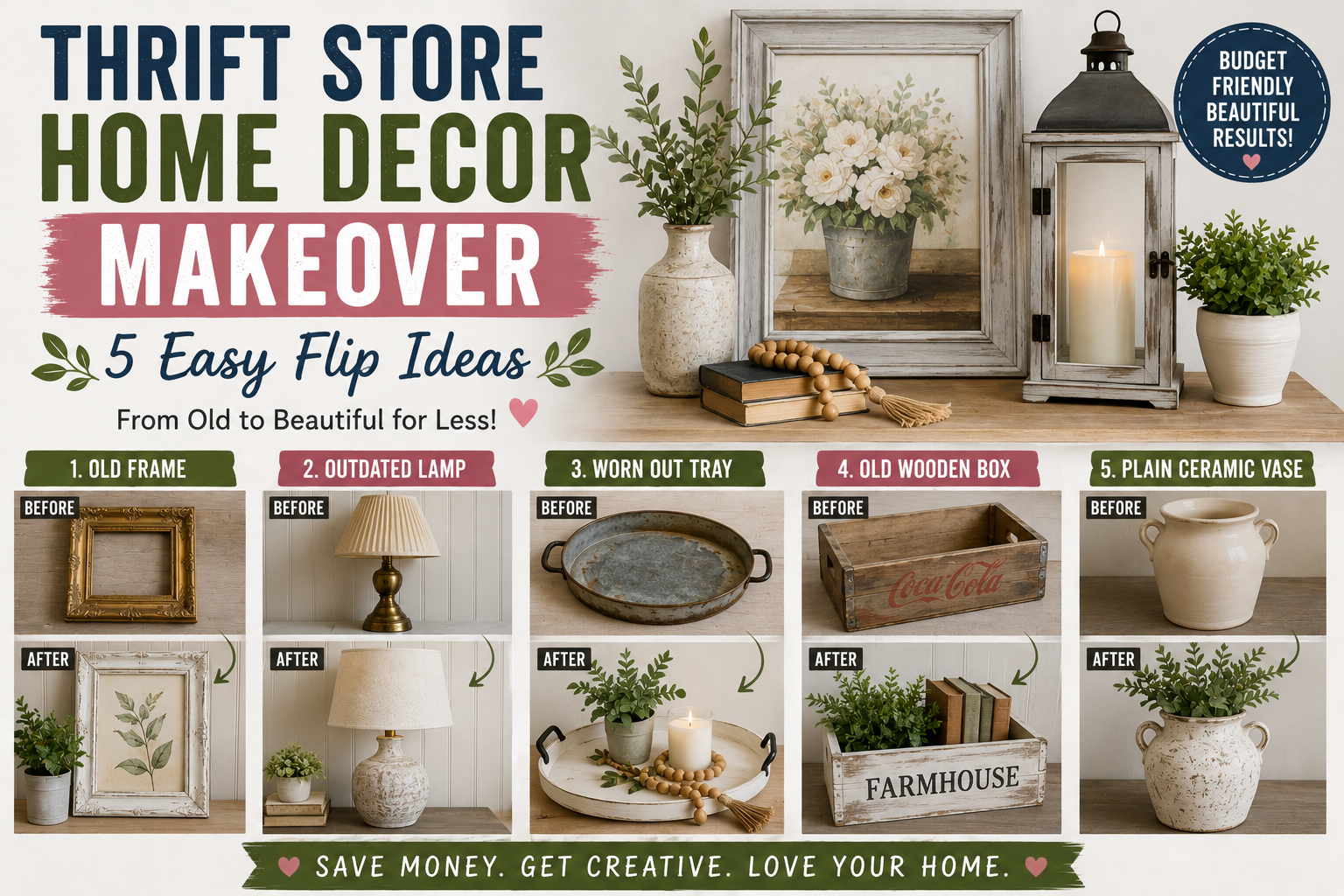
In this post, I’m breaking down my five go-to strategies for thrift store home decor makeovers — the specific items I hunt for, how I think about them differently, and the exact transformations I’ve pulled off. Let’s get into it.
1. Thrifted Lamps: Shape Is Everything
I do not own a single new lamp. Every lamp in my home — every pair, every individual piece — is secondhand, and I wouldn’t have it any other way. Lamps at the thrift store are genuinely underrated. They don’t get a ton of attention from other shoppers, which means I consistently find some of the best deals hiding right there on the shelves. When I’m browsing, the one thing I focus on is shape — because almost everything else about a lamp can be changed.
Maybe it just needs a color update. A few coats of spray paint can completely transform the base of a lamp. Maybe the bottom is perfect but the shade is worn out — and honestly, that’s pretty common because lampshades don’t travel well. They get crinkled and banged up during donation, so finding a great shade secondhand is harder. I usually buy that new. But the creative workarounds are half the fun. I’ve flipped a wastebasket upside down and used it as a lampshade for a more textural, organic look. I’ve also taken a lamp I found at the thrift store — it was covered in newspaper strips, which was bizarre, but the shape was exactly what I wanted — stripped off as much as I could, applied joint compound for heavy texture, mixed salt into my paint for even more visual interest, and completely transformed it into something I absolutely love. If you’re into that organic modern style, upcycling a thrifted lamp is one of the easiest and most rewarding places to start.
2. Furniture Flips and Vanity Transformations
Furniture is everywhere at thrift stores, and Facebook Marketplace is an even bigger gold mine for local pieces people want gone fast. When I’m looking at a piece of furniture, I’m asking myself a few questions: Is the size right? Is the structure solid? Can I fix the finish? And — my favorite question — can this become something completely different? Sometimes it just needs a new surface treatment. I’ve stripped layers of caked-on paint to expose raw wood and stained it beautifully. I’ve painted pieces that weren’t good enough quality to strip. I’ve swapped out tired hardware for something with more personality.
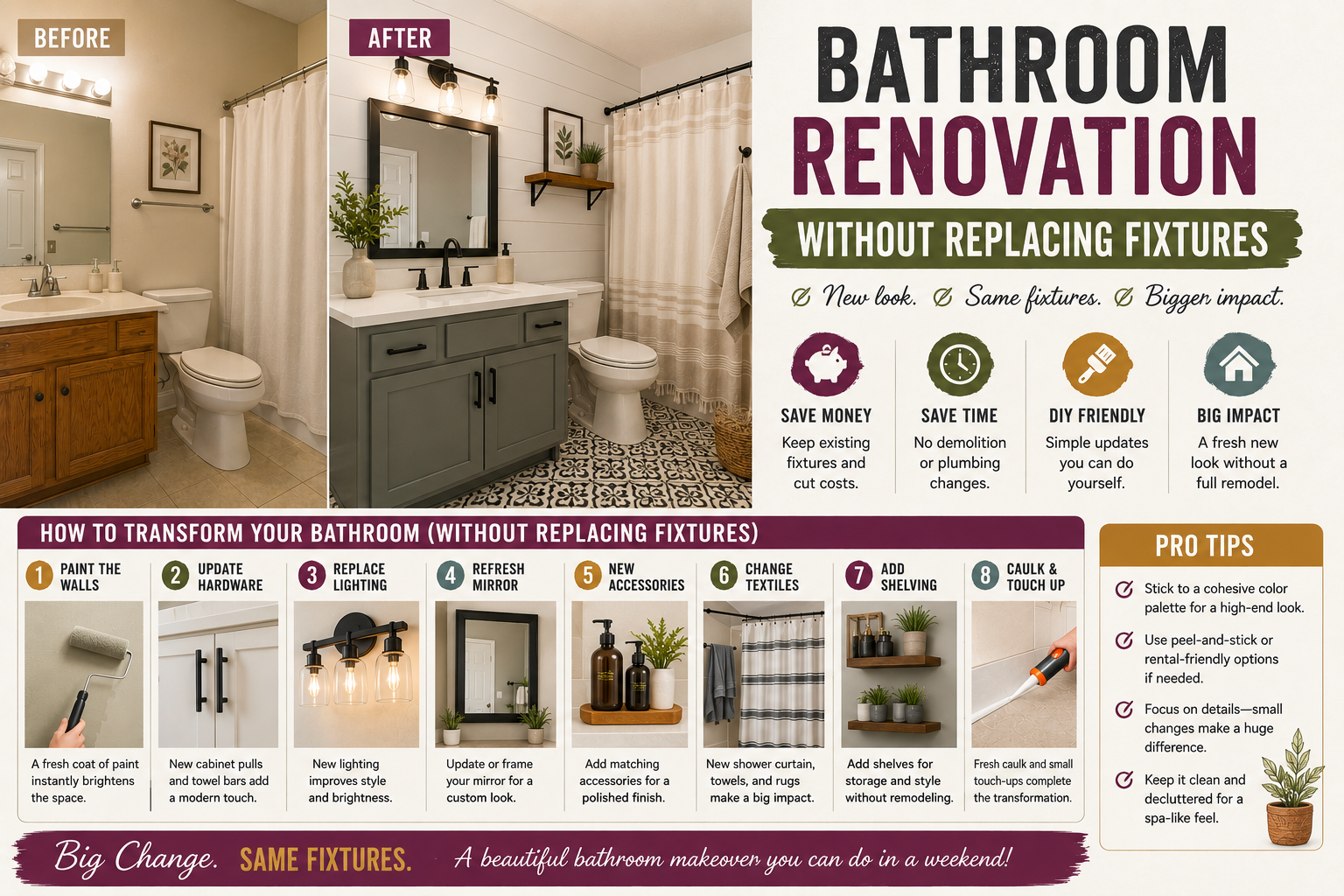
But what I really love is transforming furniture into something it was never meant to be. Specifically, I’m obsessed with turning vintage or antique furniture into bathroom vanities. I transformed a wide vintage buffet into a double-sink vanity for a primary bathroom — I removed the top, replaced it with granite, added faucets, modified the drawers for plumbing, and used a wood-look technique with stain to give the surface a rich, finished appearance. I also picked up an old photograph cabinet at the flea market for about $40 and turned it into a guest bathroom vanity — same idea, granite top, new faucet, vintage hardware swap. The result was stunning. When you find a piece you love, don’t limit it to what it already is. Think about what it could become with a little imagination and elbow grease. For more bathroom renovation inspiration on a tight budget, my bathroom renovation without replacing fixtures guide is worth a read.
3. Thrifting for Raw Materials
This one is a total mindset shift, and once it clicks, you’ll never walk through a thrift store the same way again. Instead of looking at items for what they are, you start looking at them for what they’re made of. The bedding, curtain, and fabric section alone is a treasure trove — I’ve used thrifted fabrics to recover furniture, make new pillows, and even modify into custom curtains for a room.
One of my all-time favorite thrift flips using this approach: I found a box of yard-size Jenga blocks at the thrift store — big, chunky wooden blocks, pretty lightweight. I brought them home and instead of using them as a game, I laid them in a herringbone pattern and turned them into a decorative tray. That’s using something as pure material, and the result was incredible. I’ve also used broken china as mosaic tiles — I bought two plates I loved, one fell and shattered as I was getting out of the car, and instead of trashing it, I broke it further into mosaic pieces and pressed them into a clay-covered glass vase. You could use that same approach for garden stepping stones, an outdoor tabletop, or resin art. The key is training your eye to see materials, not objects.
4. Reimagining Objects Into a Completely New Purpose
This is, without question, my favorite thing to do in a thrift store. When I’m walking the aisles with no plan, no shopping list, just open eyes and an open mind, that’s when I feel the most creative. The low price point of thrift store items gives me permission to take risks — if an idea doesn’t pan out, I haven’t lost much. That creative freedom is everything.
I started noticing items that we simply don’t use anymore in modern life, and asking how they could be reborn. I found a Kodak carousel slide projector — you know, the kind that projects photos onto a screen — and I dissected it, flipped it over, found a hole in the center, and turned it into a pendant light fixture. I found a wooden CD holder and turned it into a kitchen herb garden that sits on the windowsill. I found large round curtain rings for a curtain rod, stacked and glued them together, and turned them into a textural vase. I even transformed a zippered travel planner into a jewelry travel case. The possibilities are genuinely endless — but you have to push yourself to stop seeing what something is and start seeing what it could be. If you love creative repurposing like this, you’ll also enjoy my post on recycled materials home improvement crafts for even more ideas.
5. The Base Flip: Starting With Potential, Not Perfection
The base flip is all about recognizing a great starting point even when something isn’t finished or fully realized yet. Sometimes you’ll spot an item that’s exactly the right size or shape, but it’s too plain, too damaged, or just not quite there stylistically. That’s not a reason to walk away — that’s an opportunity. I recently spotted a big, simple mirror with a chunky frame that was just too basic on its own. But the size was right, and the price was great — so it was a perfect base to build on.
I also found a coffee table at the flea market that was the right chunky shape and size for my living room, but it needed resurfacing and lacked the trim detail I love. I added trim to the top, stained everything to match, and refinished the whole piece — now it’s perfect. Another great one: a trifold mirror I found secondhand that was simple and a little beat up, but it was fundamentally just a mirror. I added wooden appliques and trim details, painted everything gold, and created the ornate vanity mirror I’d been dreaming of. I was genuinely blown away by how it turned out. And I even helped a friend transform a plain IKEA dresser they were ready to donate — I added trim pieces to each drawer front, painted it all one cohesive color, and swapped in real hardware. They kept it and loved it. Before you replace something, ask yourself if it could become exactly what you want with a little work.
Tips and Best Practices for Your Next Thrift Store Home Decor Makeover
After years of thrift flipping, here are the principles that guide every trip I take and every piece I pick up:
Shop for shape and structure first. Finish, color, and surface details can almost always be changed. If the bones are right — the size, the silhouette, the structure — you can work with it. If they’re not, move on.
Expand beyond thrift stores. Flea markets, estate sales, Facebook Marketplace, and summer yard sales are all incredible sources for secondhand home decor pieces. Each has a slightly different inventory and price point, so rotate through all of them.
Think in materials, not objects. Fabric, wood, ceramic, glass — when you start seeing raw materials instead of finished products, the whole store opens up to you in a new way.
Embrace low-risk creativity. Because thrift store prices are low, you have room to experiment. Grab something unusual and try something bold — worst case, you’re out a few dollars and you learned something.
Keep a running list of what you need. Before every trip, I think about what I’m looking for — a lamp for a specific room, a piece that could become a vanity, fabric in a certain color palette. Having that mental list helps me shop with purpose while still staying open to unexpected finds.
Don’t overlook items for what they already are. A broken plate can become a mosaic. A game can become a tray. A projector can become a light. Your best thrift flip might come from something you’d normally walk right past.
Frequently Asked Questions About Thrift Store Home Decor Makeovers
What are the best items to look for at thrift stores for home decor projects?
Lamps, furniture, fabric and bedding, mirrors, and decorative objects are all excellent starting points. I specifically love lamps for their shape potential and furniture for the possibility of repurposing it into something entirely different, like a bathroom vanity. The key is focusing on structure and material rather than the current finish or function.
How do I know if a thrift store find is worth buying for a flip?
Ask yourself three things: Is the size or shape what I need? Is the structure solid enough to work with? And can I see a realistic path to transforming it into something I’d actually use or display? If you can answer yes to all three — and the price is low enough that you’re okay if it doesn’t work out — it’s worth grabbing.
What supplies do I need for basic thrift store home decor makeovers?
It depends on the project, but my most-used supplies include spray paint, a paintbrush, primer, wood trim pieces, hardware, and occasionally joint compound for texture work. Having a solid toolkit makes it much easier to execute whatever vision you have for a piece.
Where else can I find secondhand home decor besides thrift stores?
Facebook Marketplace is my personal favorite for furniture because you can find local pieces at great prices without having to haul them from a store. Estate sales are incredible for higher-quality vintage and antique items. Flea markets are great for unique, one-of-a-kind finds. And don’t overlook yard sales, especially during summer months — people are often just trying to clear things out and prices are very negotiable.
Ready to Start Your Own Thrift Store Home Decor Makeover?
Whether you’re working with a tight budget, hunting for something truly unique, or just looking for a creative outlet, thrift store home decor makeovers are one of the most rewarding DIY paths you can take. I’ve been doing this for over six years now and my approach keeps evolving — my style has changed, my skills have grown, and honestly, I think some of my best flips are still ahead of me. Start with one of these five strategies on your next trip and see what sparks your creativity. And if you’ve already done a thrift flip you’re proud of, I’d love to hear about it in the comments — what did you find, and what did you turn it into?
If this got your DIY wheels turning, make sure you check out my roundup of budget-friendly home improvement DIY ideas that look expensive for even more ways to transform your space without breaking the bank. And if you’re not already subscribed to the channel, hit that subscribe button and the bell icon so you don’t miss the thrift flip projects I have coming up very soon. See you in the next one!