If you’ve been wanting to update your home but you’re short on time, money, or patience for massive renovation projects, I completely get it. Not every improvement has to mean ripping out floors or moving walls. Some of the biggest visual transformations I’ve made in my own home came from small, affordable changes that took a weekend — or even just an afternoon. That’s exactly what this post is about.
I’ve tested all of these ideas firsthand, and I can tell you with confidence: they work. Whether you’re a renter who can’t touch the bones of the place, or a homeowner who just wants a refresh without blowing the budget, these are the home improvement ideas on a budget I keep coming back to. If you’re looking for even more ideas, check out my roundup of 20 budget home improvement ideas you can do in 30 minutes — a lot of them pair perfectly with what I’m covering here.
Let me walk you through seven changes that are low-cost, relatively easy to DIY, and deliver a surprisingly dramatic result. I’ll cover paint, lighting, hardware, accent walls, windows, exterior details, and flooring — and I’ll share exactly how I approached each one.
1. Paint — The Single Most Impactful Budget Upgrade You Can Make
Paint is, without question, the most budget-friendly upgrade with the biggest visual payoff. I’ve painted nearly every surface in my home at this point — walls, cabinets, exterior siding, the deck — and every single time, the result has been dramatic. If I had to pick just one tip from this entire list, it would be this one.
One of my favorite painting projects was the kitchen cabinets. Before the refresh, they were fine — not ugly, just dated and flat. I used a good primer first, then finished with Sherwin Williams paint, and the transformation was night and day. The whole kitchen felt newer, cleaner, and more intentional — without touching a single cabinet box or door layout. If you want to go deeper on cabinet prep, I’ve got a full breakdown in my kitchen cabinet painting prep tips post that walks through every step.
I also went through and painted the entire main floor of my house white after moving in, which felt fresh — but then everything started blending together. The doors, the trim, the walls all melted into one monotone. My fix? I painted the interiors of the doors in Sherwin-Williams Iron Ore, a deep charcoal, and it instantly added character and contrast. Exterior paint is a bigger project, but the impact is just as massive — I also used deck paint on my outdoor deck to fill in scratches and give the whole surface a refreshed, even finish. An extendable roller stick makes painting large surfaces like decks and ceilings so much easier and saves your back.
2. Lighting — A Simple Swap That Modernizes Any Room
Updating a light fixture is one of those upgrades that feels intimidating until you actually do it — and then you realize it’s genuinely one of the easier DIY swaps out there. Most fixtures involve just three wires. There are plenty of tutorials on YouTube if you want to tackle it yourself, or you can hire someone for a quick job that usually won’t cost much.
I’ve swapped out so many fixtures in my home, and every single time it makes the space feel more current. Replacing a builder-grade or outdated fixture with something new and more modern — whether that’s a statement pendant, a drum shade, or a sleek flush mount — immediately changes the feel of the room. If you’re looking to go further with lighting, LED lights are a great energy-efficient upgrade that also look great in recessed or under-cabinet applications.
3. Hardware — The Easiest Swap for Kitchens and Bathrooms
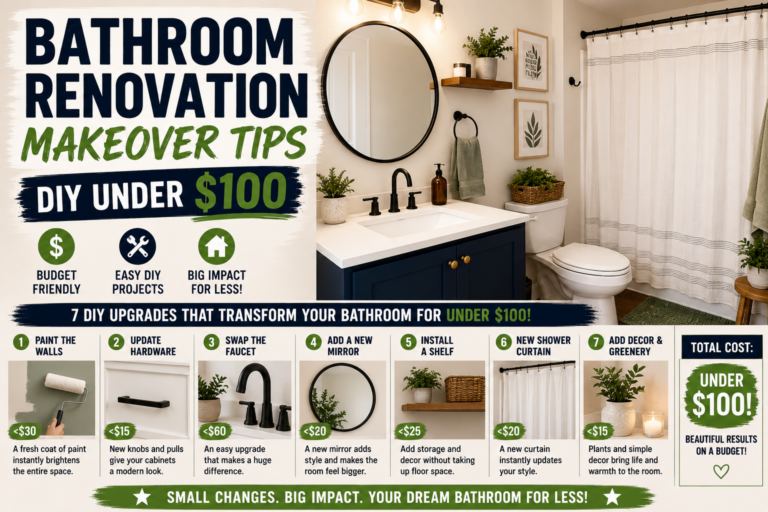
Not ready to paint your kitchen cabinets? No problem. Swapping out the knobs and pulls is one of the simplest upgrades you can do — and it makes a real difference. New door hardware in matte black or brushed brass gives cabinets a completely different personality without any painting, priming, or prep work. Both finishes are very much in style right now and work with a wide range of kitchen and bathroom aesthetics.
You can apply the same idea to your interior doorknobs and hinges. Replacing old brass or chrome hardware with something in a matte black or gold finish is one of those changes that’s subtle when you’re explaining it but very obvious once it’s done. It’s an easy Saturday project that requires nothing more than a screwdriver — and the results punch well above the price tag.
4. Spray Paint Hardware — When You’re Not Ready to Replace
If you’re not quite ready to invest in all-new hardware, spray paint is a surprisingly effective alternative. I did this on my front door hardware when I wasn’t sure what direction I wanted to go — rather than buying a new set (especially since I was considering an electronic lock down the road), I just gave the existing hardware a fresh coat of spray paint and it looked brand new.
I also added magnetic garage door hardware that I picked up on Amazon, and it completely updated the look of the garage door with almost zero effort. No drilling, no tools — just press it on and step back. It’s one of those small details that gets noticed by visitors way more than you’d expect, and it costs almost nothing.
5. Accent Walls — Add a Focal Point Without a Full Renovation
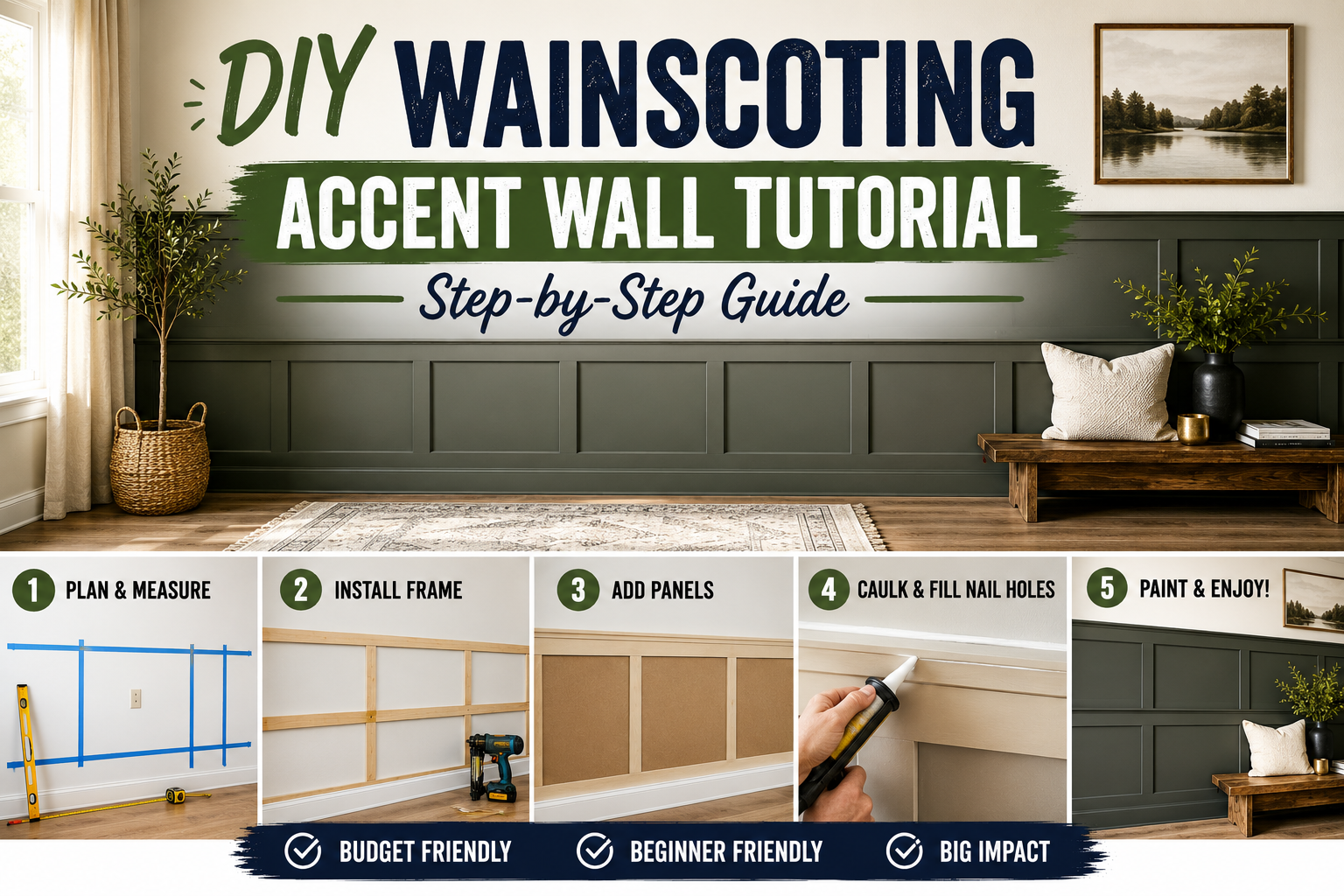
Accent walls are one of my favorite ways to add personality to a space without doing a full room makeover. I’ve done several throughout my home, and I plan to keep going. They can be subtle — like a simple painted feature wall in a moody color — or more dramatic with molding, trim, or wallpaper. Either way, they give a room a focal point and make the whole space feel more designed and intentional.
My dining room accent wall is a great beginner project. I used pre-cut MDF strips from Home Depot, made straight cuts (no angles required), and shot everything in with a nail gun. Simple, clean, and effective. My personal favorite is a picture frame molding wall I did using PVC trim with 45-degree cuts — figuring out the spacing takes more time than the actual installation, but the finished result is genuinely one of the most impactful things I’ve done in the house. I also did a combination accent wall in my daughter’s room using peel-and-stick wallpaper (my first time trying it) paired with a half board-and-batten treatment, and I love how it turned out. If you want a step-by-step walkthrough of that style, my DIY wainscoting accent wall tutorial covers the full process.
6. Window Updates and Treatments — Make Windows Look Custom on a Budget
When I say “update your windows,” I don’t mean replace them — that’s a huge expense and completely outside the budget-friendly scope of this post. What I mean is updating how they look with some simple, inexpensive techniques that make a real difference.
For my living room windows, I taped everything off carefully and used black spray paint to give the frames a more modern, matte black look. I was honestly a little nervous about how it would hold up — but it’s been rock solid. I also used black electrical tape to mimic grid lines on the glass, giving the windows a more architectural, updated appearance. Beyond the windows themselves, adding framing trim around your windows is another great move. In my son’s room, I used pre-primed 1×4 boards in a craftsman style that makes the window look larger and more custom. In the dining room where space was tighter, I used MDF strips to create a simple frame — inexpensive, easy, and it elevates the look of an otherwise plain window. A curtain hung high and wide can also visually extend the window and make any room feel more finished.
7. Exterior Details — Small Changes That Boost Curb Appeal Immediately
The outside of your home gets judged before anyone even walks through the door, and there are a few quick fixes that make a noticeable difference without costing much. One of the easiest things I did was replace the house numbers. The old ones were small, faded, and hard to read — I ordered larger, floating-style numbers from Etsy, mounted them on the post, and immediately the front of the house looked more polished and modern.
If you have a mailbox at the end of your driveway, take a good honest look at it. It’s often one of the first things people notice when approaching your home. Replacing it or giving it a fresh coat of spray paint takes almost no time and costs next to nothing. Small exterior touches like these add up quickly. For more ways to boost your home’s first impression, my post on 5 DIY outdoor curb appeal projects you can do this weekend has some great ideas that go hand in hand with these quick fixes.
BONUS IDEA: Area Rugs — The Best Flooring Disguise That Costs Almost Nothing
This last tip is especially useful if you’re renting or just not ready to tackle a full flooring replacement. I’ve ripped out carpet and linoleum in parts of my home and replaced them with new flooring — but upstairs I still have carpet, and I haven’t decided yet whether I want to replace it with new carpet or go with hardwood or luxury vinyl plank. In the meantime, large area rugs are doing a lot of heavy lifting.
A well-chosen area rug can camouflage flooring you’re not happy with while also anchoring the furniture and giving the room a more finished, intentional look. Your eye gets drawn to the rug rather than the floor beneath it. The key is going big — a rug that’s too small floats awkwardly and doesn’t have the same grounding effect. If you’re a renter who can’t touch the floors at all, this is hands-down one of the most effective upgrades you can make to any room without leaving a single nail hole.
Tips and Best Practices for Budget Home Improvements
Start with paint. It’s the cheapest, fastest, and most dramatic upgrade you can make. Always use a quality primer before painting cabinets or previously painted surfaces — it makes a huge difference in how the finish holds up over time.
Tackle one room at a time. It’s easy to get overwhelmed when you look at the whole house. Pick the room that bugs you most and start there. Small wins build momentum.
Use spray paint strategically. A can of spray paint can transform hardware, fixtures, window frames, and mailboxes. It’s one of the most cost-effective tools in a budget DIYer’s arsenal.
Don’t overlook the exterior. Curb appeal improvements don’t require a full landscaping overhaul. Updated house numbers, a painted mailbox, and refreshed garage door hardware can dramatically change first impressions for under $100 total.
Invest in a good tape measure and a laser level. Accurate measurements are the difference between a clean, professional-looking accent wall and one that’s noticeably off. Don’t skip this step.
Frequently Asked Questions
What’s the cheapest home improvement with the biggest impact?
In my experience, paint is far and away the winner. Whether it’s walls, cabinets, trim, or exterior surfaces, a fresh coat of quality paint makes everything look newer, cleaner, and more intentional. The cost of a gallon of Sherwin Williams paint is a fraction of what any other renovation would cost, and the results can be just as dramatic.
Can renters benefit from these budget home improvement ideas?
Absolutely. Several of these tips are perfect for renters — especially area rugs to hide flooring you can’t change, peel-and-stick wallpaper for accent walls, and magnetic garage door hardware that requires no installation. Always check your lease before making any changes, but many of these ideas leave zero permanent impact on the property.
How do I update my kitchen without a full renovation?
There are two big moves you can make without touching the cabinet boxes themselves. First, paint the cabinets — prime first, then use a durable finish paint for a result that can last years. Second, replace the hardware. New knobs and pulls in matte black or brass give cabinets a completely different look with just a screwdriver and an hour of your time. Either change on its own makes a noticeable difference; together, they can make the kitchen look almost completely different.
Is it hard to change a light fixture yourself?
It’s much easier than most people expect. The majority of standard light fixture swaps involve just three wires — black, white, and ground — and there are great YouTube tutorials that walk you through every step. Just make sure the power is off at the breaker before you start. If you’re not comfortable doing it yourself, an electrician can usually knock out a simple fixture swap quickly and affordably.
Ready to Start Updating Your Home?
The best part about all of these home improvement ideas on a budget is that you don’t need to do them all at once. Pick one — paint a room, swap out a light fixture, add an accent wall — and see how it changes the way your home feels. Small improvements compound over time, and before long you’ll have a space that feels genuinely updated and intentional without having spent a fortune.
I’d love to hear which of these you’re planning to tackle first. Drop a comment below and let me know, and if you found this helpful, share it with a friend who’s been putting off their own home refresh. There’s never been a better time to start.