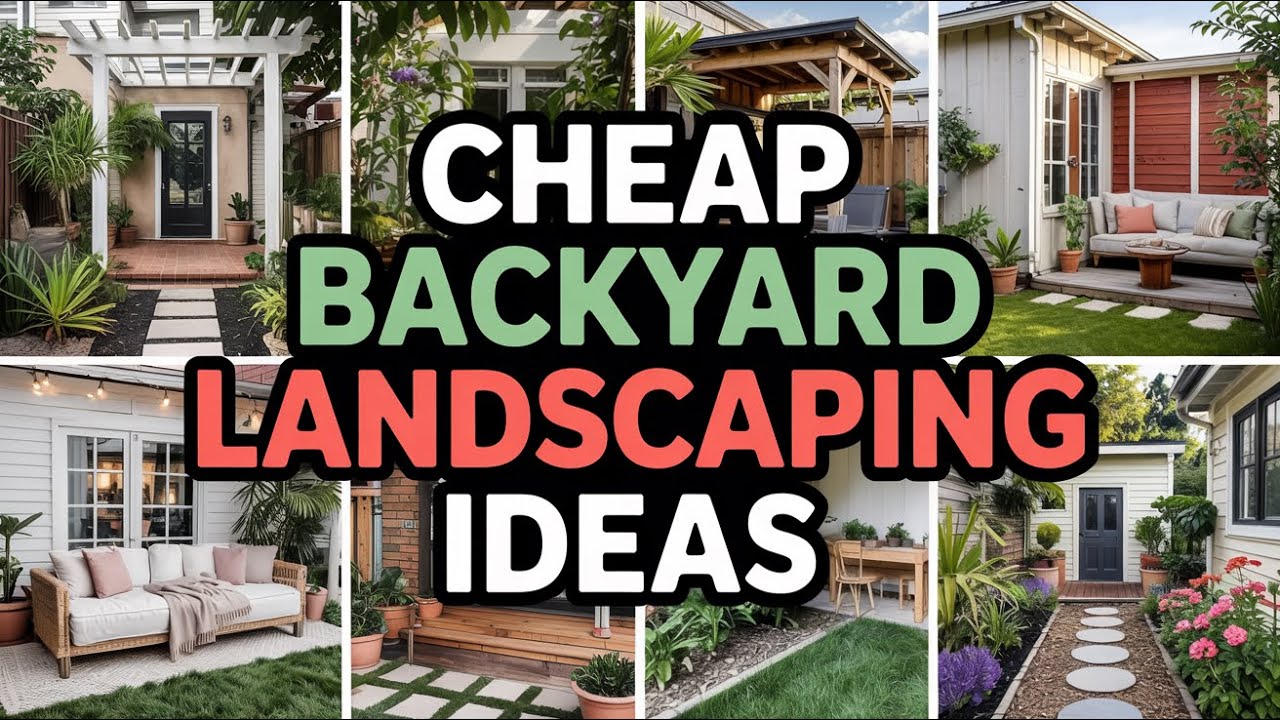
If you’ve ever looked at your backyard and thought, “I wish this looked better — but there’s no way I can afford it,” I want to stop you right there. I’ve been down that road, and I’m here to tell you that a stunning outdoor space is 100% within reach, even on a shoestring budget. The secret isn’t money — it’s creativity, resourcefulness, and a willingness to roll up your sleeves and enjoy the process.
In this post, I’m sharing some of my favorite cheap backyard landscaping ideas that genuinely transform an outdoor space without draining your savings. Whether you have a postage-stamp patio or a sprawling yard that needs serious love, these budget-friendly strategies will help you see your space in a whole new light. And if you want to go even deeper on outdoor transformations, check out my guide on Backyard Landscaping Makeover Ideas: Full 1-Week DIY — it’s packed with hands-on inspiration.
I’m not about cutting corners on beauty here. I’m about finding smarter paths to get there. Let’s dig in (pun absolutely intended).
1. Shift Your Perspective: Budget Landscaping Is a Design Philosophy
The very first thing I had to wrap my head around when I started landscaping on a budget was that it’s less about cheap materials and more about clever design thinking. It’s a perspective shift — away from expensive installations and toward maximizing visual impact with what you have or what you can source affordably.
This mindset embraces the DIY spirit, the satisfaction of repurposing everyday items, and the long-term rewards of patient, thoughtful gardening. When I stopped trying to replicate a high-budget look and started leaning into what I could actually do with my own hands, everything clicked. The spaces I’ve created this way feel more personal and more genuinely “mine” than anything I could have bought off a catalog page.
2. Keep the Design Simple and Functional
One of the best moves I’ve made in my own yard is embracing simplicity. Clean lines, functional zones, and an emphasis on plant life over complex hardscaping — that’s the formula. When I stopped trying to overcomplicate things, the space started to look more intentional and polished, not less.
Think about dividing your yard into clear areas: a seating zone, a garden bed, a pathway. You don’t need elaborate structures or custom features to define these spaces. Sometimes a simple border or a change in ground material is all it takes to make a yard feel organized and designed rather than just… there.
3. Use Gravel and Mulch as Your Budget Workhorses
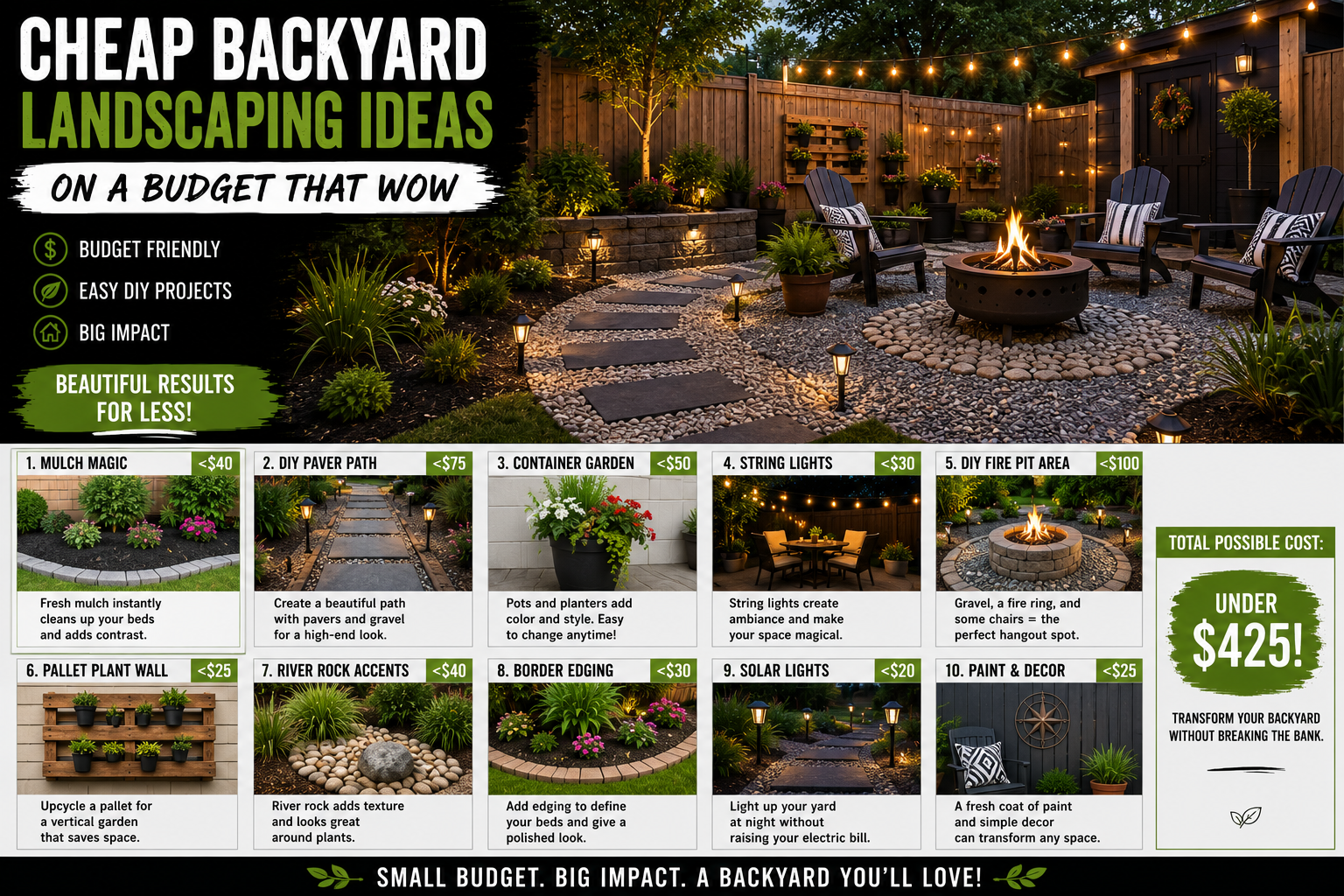
If there are two materials I reach for over and over again in budget landscaping, it’s gravel and mulch. Both are incredibly affordable, widely available, and they punch way above their weight in terms of visual impact. I use them to create pathways, define garden beds, and suppress weeds — all without spending much at all.
Gravel in particular adds great texture and a clean, finished look. Mulch keeps moisture in the soil and cuts down on weeding time, which means less ongoing effort for me. These aren’t glamorous materials, but they are the backbone of almost every budget-friendly outdoor space I’ve ever put together. A good shovel and a wheelbarrow are your best friends for spreading both efficiently.
4. Repurpose Reclaimed Wood for Planters, Benches, and More
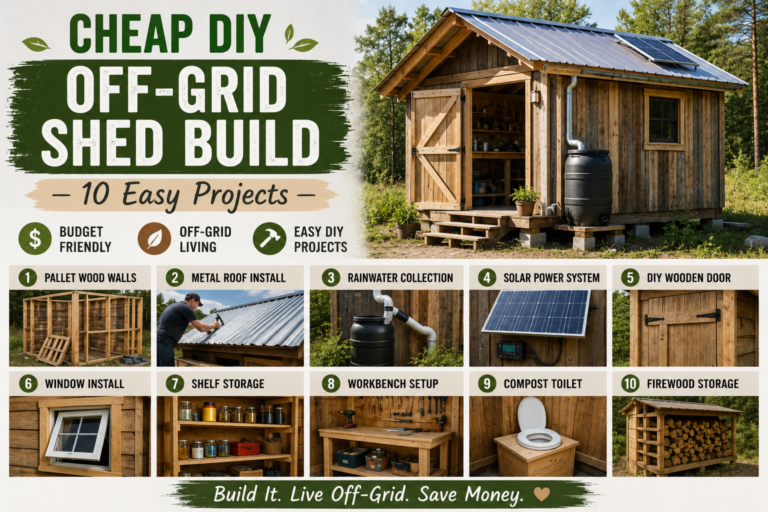
Reclaimed wood — think old pallets, salvaged fence boards, or wood scraps — is one of the most versatile budget landscaping materials I’ve ever worked with. I’ve turned pallets into vertical garden planters, built simple benches, and created decorative accents that look like they cost a small fortune. The rustic texture of weathered wood adds instant character to any outdoor space.
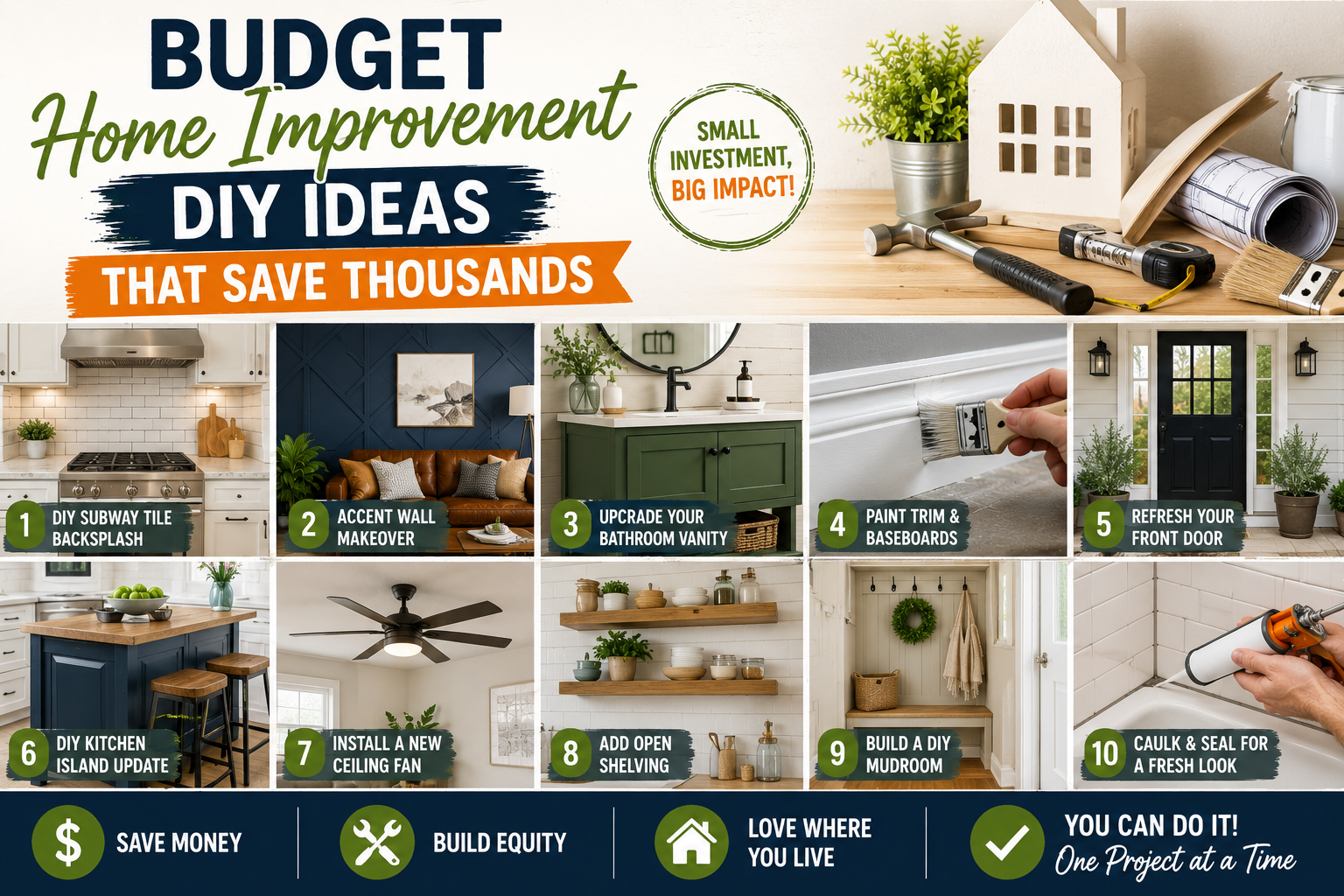
The best part? You can often find pallets for free from local businesses, and fence boards can be sourced from salvage yards or online marketplaces for next to nothing. All it takes is a circular saw and some basic fasteners to turn those scraps into something genuinely beautiful. For more ways to build smart without spending big, my post on Budget Home Improvement DIY Ideas That Save Thousands has plenty of overlap with this approach.
5. Use Natural Stones and Concrete Blocks Creatively
Natural stones sourced locally — or even picked up from your own yard — can create rustic borders, edge garden beds, or serve as stepping stones along a path. I love how organic they look, and they cost little to nothing if you’re willing to hunt for them.
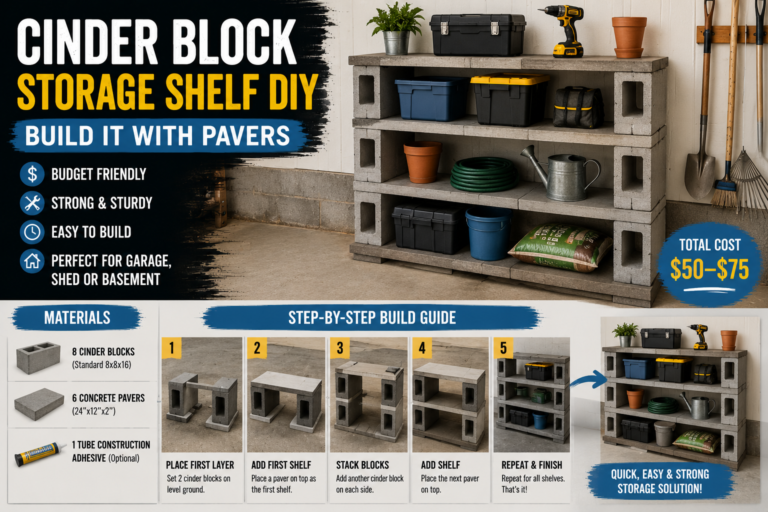
Concrete blocks are another underrated option. Used creatively, they can become pavers, planter bases, or even the structural elements of a simple garden bench. I’ve seen people do incredible things with basic concrete blocks, and the look is surprisingly stylish when paired with the right plants and accessories.
6. Start Plants from Seeds or Small Starters Instead of Mature Plants
This one requires patience, but it’s one of the biggest money-savers in my gardening toolkit. Buying large, mature plants from a nursery is expensive. Starting from seeds or purchasing small starter plants instead cuts that cost dramatically — sometimes by 80% or more. Yes, it takes longer to get the full, lush look you’re after, but the savings are real and the process of watching something grow from seed is genuinely satisfying.
I’ve also found that starting small forces me to be more intentional about plant placement, which usually leads to a better-designed space overall. Patience, as I’ve learned, is one of the most powerful tools in budget landscaping.
7. Choose Perennials Over Annuals for Long-Term Savings
When I first started gardening, I made the mistake of loading up on annuals — plants that bloom beautifully but die off every year and need to be replaced. Switching to perennials was a game-changer for my budget. These plants come back year after year, so I’m not spending money replanting every single season.
Perennials do require a bit more upfront research to make sure you’re choosing varieties suited to your climate, but once they’re established, they reward you season after season. Over time, they actually spread and fill in your garden beds, giving you more coverage for your initial investment.
8. Use Ground Covers to Fill Space and Suppress Weeds
Ground covers are another budget landscaping favorite of mine. They spread relatively quickly to fill bare spots in a yard, suppress weeds naturally, and require less maintenance than a traditional lawn in many areas. Instead of spending money on sod or fighting bare patches with constant reseeding, I’ll often plant a spreading ground cover and let it do its thing.
There’s a huge variety to choose from depending on your climate and sun conditions, from creeping thyme to clover to pachysandra. Many of these can be divided and multiplied once established, meaning your initial purchase keeps giving back year after year.
9. Divide Existing Perennials and Swap Plants with Neighbors
Here’s a tip that costs absolutely nothing: divide the perennials you already have and use the divisions to fill in other areas of your yard. Most established perennials benefit from being divided every few years anyway, so you’re doing the plant a favor while expanding your garden for free.
I’ve also swapped plants with neighbors and friends more times than I can count. It’s a great way to get variety you don’t already have, introduce new textures and colors to your space, and build a little community around gardening. The plant-swapping world is surprisingly generous and social, and your garden benefits every time.
10. Prioritize Drought-Tolerant and Native Plants
Choosing drought-tolerant plants or native species adapted to your local climate is one of the smartest budget decisions I make when planning a landscape. These plants typically need less water, less fertilizer, and less specialized care than exotic species that aren’t suited to your region. Over time, that translates to real savings on water bills and maintenance costs.
Native plants also tend to attract local pollinators and wildlife, adding life and movement to your yard in a way that money simply can’t buy. I always recommend checking with your local extension office or native plant society to find out which species thrive in your specific area.
11. Add Color with Paint Instead of Expensive Plants or Decor
Outdoor-rated spray paint and exterior paint are some of the most affordable tools in my budget landscaping arsenal. A brightly painted fence, a colorful accent wall on a shed, painted stones, or vibrant containers can add huge personality to a yard for just a few dollars. I’ve completely transformed tired, weathered outdoor furniture with a couple of cans of spray paint and a few hours of effort.
Color unifies mismatched items, creates focal points, and gives a space energy that would otherwise require expensive decor to achieve. Don’t underestimate the power of a bold color choice in the right spot — it can make an entire yard feel curated and intentional.
12. Build DIY Furniture from Concrete Blocks, Lumber, and Pallets
Outdoor furniture doesn’t have to be expensive. Some of my favorite seating areas have been built from the most basic materials: 2×4 lumber, concrete blocks, or salvaged pallets. A simple bench made from two concrete blocks and a plank of wood costs almost nothing and can be surprisingly comfortable with the right cushions.
Thrift store finds are another great option. An old chair or table picked up for a few dollars and refreshed with a coat of exterior paint can look completely transformed. The goal is functional comfort and visual appeal achieved through creativity — not a credit card charge at a patio furniture store. A basic hammer and some creativity go a long way here.
13. Assess Your Yard and Prioritize High-Impact Areas First
Before I spend a single dollar on any landscaping project, I do a thorough assessment of the existing yard. What are the strengths? What are the weaknesses? Which areas are most visible and most used? Starting with the highest-impact zones — the entryway, a patio seating area, or a prominent corner — means my budget goes where it matters most.
I never try to tackle everything at once. Starting small, maybe with a single revamped flower bed or a container garden, lets me build momentum and confidence. Each small success makes the next project feel more achievable. Check out my 5 DIY Outdoor Curb Appeal Projects You Can Do This Weekend for ideas on where to focus your first efforts for maximum visual payoff.
14. Tap Into Local Resources for Free or Cheap Materials
Some of the best landscaping materials I’ve ever used cost me nothing. Many municipalities offer free wood chip mulch. Online marketplaces like Facebook Marketplace and Craigslist are goldmines for secondhand garden furniture, used Yard tools, and leftover materials from other people’s projects. Community groups often have giveaway listings for plants, stones, and even soil.
I make it a habit to check these sources before I buy anything new. You’d be amazed what people give away — pavers, garden ornaments, potted plants, even entire patio furniture sets. A little digging (there’s that word again) in the right places can save hundreds of dollars on a single project.
15. Install Solar-Powered Pathway Lights and String Lights
Lighting is one of those elements that completely changes how a backyard feels in the evening, and it doesn’t have to cost much at all. Solar-powered pathway lights are inexpensive, require no wiring, and are easy to reposition as your landscaping evolves. I’ve used them to line walkways and define garden bed edges with great results.
String lights — simple globe or fairy lights draped along fences, pergolas, or trees — instantly create a warm, magical ambiance for evening gatherings. They extend the usability of the backyard into the night and add a cozy, welcoming feel that no expensive fixture could do better. LED lights are the smart choice here for energy efficiency and longevity.
16. Add a Simple DIY Water Feature
Water features sound expensive, but they don’t have to be. A tabletop fountain or a DIY feature built from a repurposed container and a small pump can add the soothing sound of moving water to your backyard for a surprisingly low cost. I’ve seen beautiful water features made from old wine barrels, ceramic pots, and even galvanized buckets.
The sound of running water transforms the atmosphere of an outdoor space in a way that’s hard to quantify — it’s calming, it masks street noise, and it attracts birds. For the investment required, it’s one of the highest-impact additions I know of in budget landscaping. If you want to go bigger, my full guide on How to Install a Garden Pond: Complete DIY Guide walks you through the whole process step by step.
17. Stay on Top of Basic Maintenance — It’s Free
Regular weeding, watering, and tidying up cost nothing but time and effort, yet they’re crucial for keeping a backyard looking its best. I’ve seen truly beautiful yards fall apart simply from neglect, and I’ve seen modest yards look stunning because the owner keeps them clean and tidy.
Consistent maintenance is the secret weapon of every great budget landscape. An edging tool to keep bed edges crisp, a weed eater to keep things tidy along borders, and a Chainsaw for managing overgrown trees and shrubs are worth the investment because they help you maintain what you’ve built. Embrace the occasional imperfection too — a budget garden often has a charming, lived-in quality that perfectly manicured high-cost landscapes can lack.
18. Think Vertically to Maximize Small Spaces
If I’m working with a smaller yard, thinking vertically is one of my first moves. Vertical gardens made from pallets, hanging baskets, or wall-mounted planters draw the eye upward and allow me to grow far more plants in less ground space. It’s a smart visual trick that makes a small area feel abundant and lush.
Climbing plants like ivy, jasmine, or flowering vines trained up fences or trellises add greenery and softness without consuming valuable square footage. Over a single season, a well-chosen climbing plant can completely transform a bare fence into a living wall — for the cost of a few dollars and a little patience.
19. Use Paint Strategically on Fences, Sheds, and Pavers
I touched on color earlier, but the strategic use of paint deserves its own spotlight because it’s that powerful. Painting a tired fence, refreshing a weathered shed, or even painting concrete pavers in a geometric pattern can dramatically transform the look and feel of an outdoor space for very little money.
I always choose colors that complement my plants and the overall aesthetic I’m going for. A dark charcoal fence makes green foliage pop beautifully. A crisp white shed makes a garden feel bright and intentional. These are low-cost interventions with outsized visual returns — exactly the kind of move that defines smart budget landscaping.
20. Be Patient — Let Your Landscape Grow and Evolve
Finally, and I mean this sincerely: patience is perhaps the most valuable tool in budget landscaping. Plants need time to grow and fill in. A garden that looks sparse in year one can look absolutely magnificent in year three. I’ve learned not to rush this process or panic when things don’t look “done” right away.
The journey of building and refining a backyard over time is genuinely one of the most satisfying experiences I know. You learn what works, you adjust, you discover happy accidents, and you end up with a space that is truly yours in every sense. The destination is wonderful — but the process of getting there is half the reward.
Tips and Best Practices for Cheap Backyard Landscaping on a Budget
After working through all of these ideas, here are my top practical tips for pulling it all together successfully:
Plan before you buy. Sketch out your yard and decide where each element goes before spending a single dollar. Impulse purchases at the garden center are one of the biggest budget-killers I know. Shop secondhand first. Always check online marketplaces, thrift stores, and community groups before buying new. Layer your materials. Combine gravel, mulch, stepping stones, and plants for a layered look that feels designed rather than sparse. Use landscaping fabric under gravel and mulch to dramatically reduce weeding over time. Invest in a few good tools — a reliable shovel, a Yard tools set, and an edging tool will serve you for years. Focus on one zone at a time to avoid feeling overwhelmed and to keep spending under control. Document your progress with photos — the before-and-after comparison will motivate you to keep going more than almost anything else.
Frequently Asked Questions About Cheap Backyard Landscaping Ideas
What is the cheapest way to landscape a backyard?
The cheapest approach combines several strategies at once: starting plants from seed, using mulch and gravel as primary ground covers, sourcing free or secondhand materials, and doing all the labor yourself. Focusing on perennials and native plants means lower ongoing costs too. Consistency with basic maintenance — weeding, edging, and tidying — keeps everything looking great without additional spending.
How do I make my backyard look nice on a tight budget?
Start by cleaning up and decluttering — this alone makes a huge difference at zero cost. Then add definition with mulched garden beds and clean edges. A fresh coat of paint on a fence or shed, a few strategically placed container plants, and some affordable string lights can completely transform how a yard feels. Focus on the highest-visibility areas first for the biggest bang for your buck.
What are the best budget-friendly plants for landscaping?
Native plants and drought-tolerant species are my top picks because they require minimal water and care. Perennials like coneflower, black-eyed Susan, salvia, and ornamental grasses are affordable to buy as small starters and return faithfully every year. Ground covers like creeping thyme and clover fill space quickly and suppress weeds naturally. Dividing perennials you already own and swapping with neighbors gets you variety for free.
Can I landscape my backyard myself with no experience?
Absolutely — and I’d encourage you to try. Most budget landscaping projects require no specialized skills. Spreading mulch, planting seeds, building a simple pallet planter, installing solar lights, and painting a fence are all beginner-friendly tasks. Start with one small project, learn from it, and build your confidence from there. The DIY process is part of what makes the result so rewarding.
Conclusion: Your Dream Backyard Is Closer Than You Think
I hope these cheap backyard landscaping ideas have shown you that a stunning outdoor space is genuinely accessible — no matter what your budget looks like. The essence of budget landscaping isn’t limitation. It’s liberation. It’s freeing yourself from the idea that beauty requires a big price tag and embracing the power of creativity, smart material choices, and your own two hands.
Whether you start with a simple container garden, a freshly mulched flower bed, or a pallet planter hung on the fence, every small step moves you closer to the backyard you’ve been dreaming of. Take it one project at a time, enjoy the process, and don’t be afraid to experiment. If you’re hungry for more ideas to keep the momentum going, my guide on 10 Outdoor DIY Backyard Project Ideas is a great next stop.
Ready to start your own backyard transformation? Drop a comment below and tell me which of these ideas you’re tackling first — I’d love to cheer you on!